

Over the last few decades, Dubai has established an integrated model that masterfully combines the authenticity of Traditional sports with the fast-paced dynamism of modern sporting disciplines. Underpinned by a spectacular development vision, the emirate has officially transformed sports into a central pillar of its long-term tourism, economic, and investment ecosystem.
Rather than limiting its ambition to simply hosting massive championships and seasonal sporting events, Dubai has strategically leveraged its advanced infrastructure and world-class facilities to create integrated tourism experiences. This highly distinctive approach has successfully attracted massive international federations, elite athletes, specialized companies, and high-net-worth investors across the global sports sector.
Preserving Heritage Through Traditional Sports
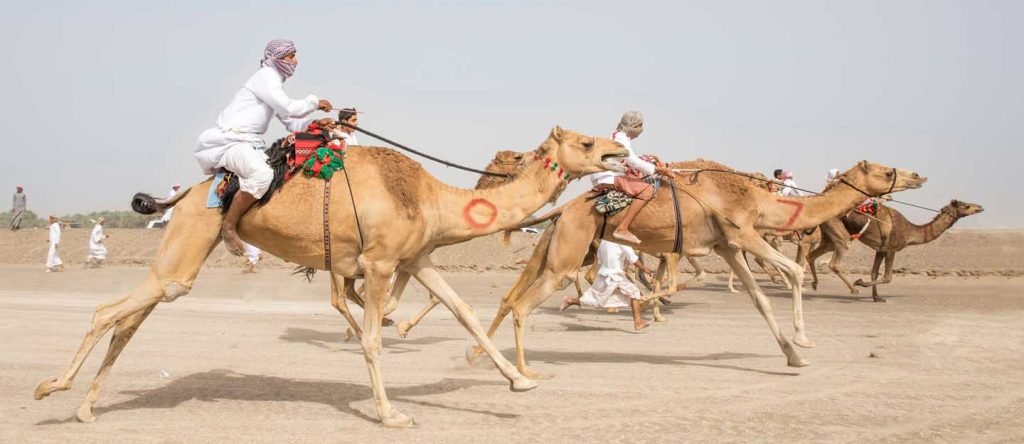
Traditional sports formed the initial, unshakeable foundation of Dubai‘s sporting landscape. Historically led by equestrian events, competitive camel racing, and shooting, these activities deeply reflect the UAE’s core cultural identity. Over the years, these heritage events have dramatically evolved into highly organized sports, actively supported by extensive governmental patronage, massive international championships, and prestigious prizes. This evolution perfectly demonstrates the emirate’s success in preserving its rich national heritage while seamlessly keeping pace with global sporting developments.
Today, Dubai has confidently emerged as one of the world’s leading destinations for endurance riding through the renowned Dubai International Endurance City in Saih Al Salam, a premier venue hosting major international competitions. Furthermore, camel racing has maintained its strong cultural and public appeal, heavily supported by modern venues that utilize advanced technologies and artificial intelligence for seamless event organization, precision officiating, and monitoring, aligning closely with the latest international practices.
Expanding the Global Sporting Portfolio
As athletics, wrestling, and shooting witnessed rapid development alongside the establishment of robust local sports clubs, the new millennium marked a comprehensive phase for the emirate. With the city’s rapid urban and tourism development, sports became a defining element of Dubai‘s global identity, evolving into a lucrative platform for innovation and sports marketing.
Padel, for instance, has become one of the fastest-growing sports in the city, with hundreds of modern courts opening to host international and continental tournaments featuring the world’s top players. In golf, Dubai continues to host major tournaments on the European Tour, most notably the Hero Dubai Desert Classic, supported by championship-standard courses that meet the highest international benchmarks.
A Strategic Vision for Tourism and Infrastructure
The emirate has also brilliantly strengthened its position on the map of adventure and niche sports by organizing exhibition events at iconic architectural landmarks and towering skyscrapers, creating a highly innovative model that combines athletics, architecture, and tourism promotion.
This sustained success is directly linked to an overarching economic strategy. Highlighting this holistic approach to destination building, official statements from Dubai’s Department of Economy and Tourism (DET) emphasize the core philosophy behind this growth:
“Dubai’s strong tourism growth momentum has been driven by the leadership’s commitment to building a city that connects the world, creates opportunity, and offers distinctive and enriching experiences for global travellers. By further enhancing the city’s exceptional infrastructure and forging strong global partnerships, we continue to consolidate Dubai’s emergence as one of the world’s most sought after destinations.”
In motorsport, Dubai continues to reinforce its standing by hosting a wide range of international rallies, motorcycle, and marine sporting events. Specialists firmly believe that this success in establishing the city as a global capital for modern and Traditional sports is driven by an integrated system: a visionary long-term government plan, sustained investment in world-class sports infrastructure, and a strategic geographical location serving as the ultimate meeting point between the East and West.