

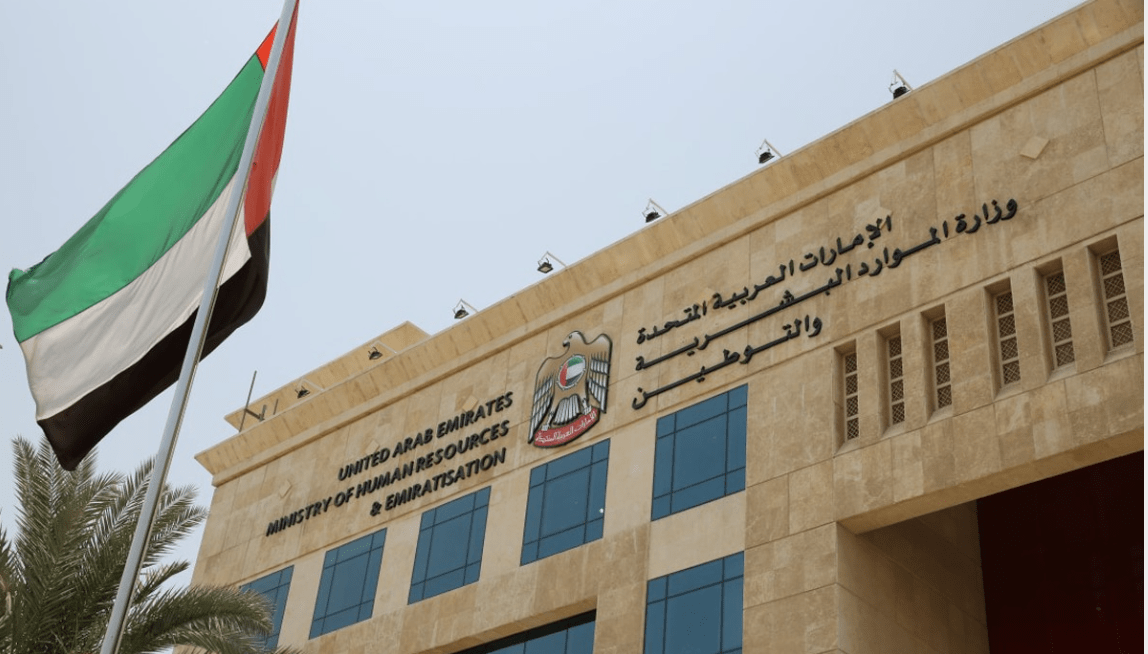

The UAE Ministry of Human Resources and Emiratisation resolved 185,793 labour disputes amicably in the first half of 2026, accounting for 98.6 per cent of all recorded cases. Only 2,481 disputes, representing 1.4 per cent of the total, were referred to the judiciary. That figure, released by MoHRE this week, is one of the most compelling data points on the quality of the UAE’s labour market governance and its practical impact on the daily experience of the workers and employers who make the economy function. For a country with a workforce of several million people spanning hundreds of thousands of companies across every sector, a 98.6 per cent amicable resolution rate is not just a statistical achievement. It is evidence of a dispute resolution infrastructure that is genuinely working.
The drivers behind the number reflect deliberate policy choices rather than natural outcomes. A key development has been MoHRE’s authority to adjudicate labour disputes involving claims of up to AED 50,000 directly, without requiring the matter to go to court. That threshold covers the vast majority of individual employment disputes in the UAE and has significantly accelerated the resolution process, enabling employees and employers to settle claims without the time, cost and uncertainty of litigation. For workers at the lower end of the income spectrum in particular, the ability to resolve a wage claim or wrongful termination case within the ministry rather than navigating the court system is genuinely transformative in its practical impact.
“The ministry continues to enhance the efficiency of its labour dispute resolution system through an integrated approach based on proactive solutions and effective resolution mechanisms that protect the rights of all parties to the employment relationship.”
— MoHRE Labour Market Services Sector, H1 2026 Review (mohre.gov.ae, August 2026)
The Role of AI and the Wage Protection System
The Wage Protection System has played a central and increasingly sophisticated role in reducing the number of disputes that arise in the first place. The WPS, which requires employers to pay salaries through a monitored electronic system, has been upgraded to identify payment delays and violations at an early stage, allowing MoHRE to intervene proactively before a late salary payment escalates into a formal dispute. The integration of AI into MoHRE’s monitoring infrastructure means the ministry is identifying potential violations in real time and contacting employers before workers have to take any action at all. By the time a dispute is formally registered, many of the underlying facts have already been established through the digital audit trail the WPS creates, accelerating resolution because the fact-finding phase is largely complete before the formal process begins.
What This Means for Businesses Operating in the UAE
For businesses of all sizes in the UAE, the MoHRE H1 2026 data carries important messages. The first is that the UAE labour market operates within a regulatory framework that takes worker protection seriously and has built the infrastructure to enforce it efficiently. Employers who pay wages on time, maintain accurate employment records and honour their contractual obligations are operating in a market where those standards are increasingly well-enforced across their competitors, creating a level playing field that rewards compliance. The second message is that the risk of labour disputes escalating into costly litigation has been substantially reduced. When 98.6 per cent of disputes are resolved amicably within the ministry system, the business risk associated with employment disputes in the UAE is materially lower than in most comparable labour markets globally.
For international businesses considering the UAE as a base, the labour dispute data is part of a broader picture of institutional reliability that makes the country an attractive operating environment. A government ministry that resolves nearly 186,000 disputes in six months with a 98.6 per cent amicable settlement rate has invested seriously in its operational capacity and its regulatory expertise. That investment in the quality of labour market governance is a commercial asset for the UAE as much as it is a protection for its workforce.
“A total of 185,793 labour disputes were settled amicably between January and June 2026, accounting for 98.6 per cent of all recorded cases. Only 2,481 disputes were referred to the judiciary, reflecting the efficiency of the ministry’s dispute resolution framework and its alignment with international best practices.”
— Ministry of Human Resources and Emiratisation, H1 2026 Labour Market Report (August 2026)